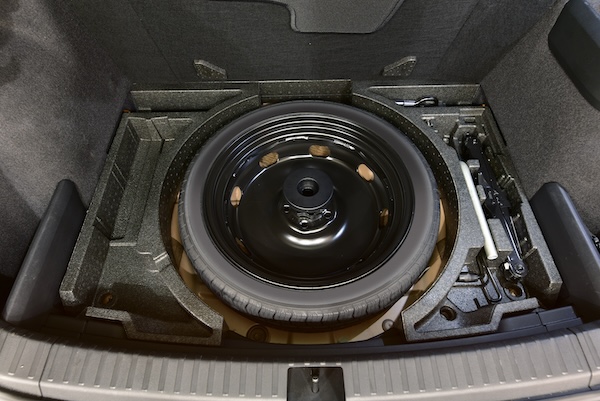
Most drivers don’t think about their spare tire until they’re stuck on the side of the road with a flat. Unfortunately, that’s often when people discover their spare isn’t ready to use, or doesn’t work the way they expected. Knowing the type of spare tire your vehicle has, how to use it, and how to maintain it can make a stressful situation much easier to handle.
A spare tire is an important safety backup, but it’s not meant to replace a regular tire permanently. Understanding its limitations and care requirements helps you stay safe and avoid unnecessary damage.
Types of Spare Tires
Not all spare tires are the same. The type of spare included with your vehicle affects how far and how fast you can drive after installing it.
Most vehicles are equipped with one of the following spare tire types:
- Full-size spare: Matches the size of your regular tires and can usually be driven like a standard tire, though it may not match tread wear.
- Compact or “donut” spare: Smaller and lighter, designed for short distances and reduced speeds.
- Temporary inflator kit: Some vehicles come without a spare and rely on sealant and an air compressor for minor tire damage.
Knowing which type you have can help you respond appropriately in the event of a flat.
Limitations of a Spare Tire
Spare tires—especially compact spares—are designed for temporary use only. Driving on one for too long or at high speeds can be dangerous.
Temporary spares typically have strict limitations. They are not built for extended driving, heavy loads, or high speeds. Exceeding these limits can affect handling, braking, and overall vehicle stability. Driving on a spare for too long may also cause uneven wear or damage to your suspension or drivetrain, particularly in all-wheel-drive vehicles.
Why Spare Tire Maintenance Matters
One of the most common issues with spare tires is neglect. Because they’re rarely used, many spares are underinflated, dry-rotted, or damaged by the time they’re needed.
A spare tire should be checked periodically, just like your regular tires. This includes inspecting air pressure, checking for visible damage, and ensuring all necessary tools—such as the jack and lug wrench—are present and in good condition.
Even if the spare has never touched the road, age alone can make it unsafe. Rubber degrades over time, especially when exposed to heat and temperature changes.
When to Use a Spare (and When Not To)
A spare tire is intended to get you safely to a repair facility, not to serve as a long-term solution. If your tire has a minor puncture, a spare can be a helpful temporary fix. However, sidewall damage, blowouts, or multiple damaged tires require professional attention right away.
Driving cautiously and maintaining a safe distance while on a spare helps protect your vehicle and reduce risk.
How a Flat Tire Can Affect Your Vehicle
Using a spare tire can change how your vehicle handles. Differences in tire size or tread depth may impact braking, traction, and steering response. This is especially important in vehicles with traction control or all-wheel-drive systems, where mismatched tires can increase stress on components.
That’s why replacing or repairing the damaged tire as soon as possible is so important.
Be Prepared Before You Need It
Knowing where your spare tire is stored and how to access it can save valuable time during an emergency. Practice locating the spare and tools before you’re stranded. Understanding your vehicle’s jack points and basic tire-changing steps can also reduce stress if a flat occurs unexpectedly.
Get Tire Service in Burnt Hills You Can Trust
Your spare tire is an important safety feature, but it’s only effective if it’s in good condition and used correctly. Regular inspections and professional tire service help ensure you’re ready for the unexpected. If you’ve used your spare tire, aren’t sure about its condition, or need help with tire repair or replacement, contact Gil's Garage today.