Coolant is one of those fluids that rarely gets attention until something goes wrong. Most drivers top off fuel regularly, change oil on schedule, and maybe notice wiper fluid, but the coolant level can quietly drop without any obvious sign until the temperature gauge starts creeping upward. Once that happens, the engine is already under stress.
The real question many people ask at that point is, “How long can I drive a car without coolant?” The honest answer is that even a short drive without proper coolant can be risky.
Why Coolant Is So Critical to Your Engine
Coolant does much more than keep the engine from freezing in winter. It carries heat away from the hottest parts of the engine, moves that heat to the radiator, and helps maintain a stable operating temperature. It also contains additives that fight corrosion inside the engine block, radiator, and heater core. When the coolant level is healthy and the mixture is correct, the engine can do its work efficiently without overheating. Take coolant out of the picture, and temperatures start to rise very quickly.
Coolant also helps protect rubber and plastic components in the cooling system. Hoses, seals, and gaskets are all designed to live in a very specific temperature range. Once things get hotter than they should, those parts can harden, crack, or blow out. That is why a coolant problem can snowball into several separate repairs if it is ignored.
What Happens Inside the Engine When Coolant Is Low or Gone
When coolant is low, hot spots can form inside the engine. Metal parts that are supposed to be surrounded by moving coolant are suddenly exposed to higher temperatures. Aluminum cylinder heads, which are common on modern engines, can warp when they get too hot. A warped head can lead to a blown head gasket, coolant mixing with oil, and compression loss.
If the coolant is completely gone, the situation gets worse very quickly. The remaining heat has nowhere to go, so the metal expands rapidly. Pistons, rings, and bearings can start to scuff or seize. In severe cases, engines that are driven without coolant for even a short distance can end up with cracked heads or blocks. We have seen engines that were ruined in a single trip after the driver tried to limp the car home without coolant.
From Mild Warning Signs to Serious Damage
At first, the only sign may be a slightly higher-than-normal temperature reading on the gauge or a warning light that flickers on during a hill or long climb. You might notice the cabin heater suddenly blowing cooler air, since the heater core is no longer getting enough hot coolant. Sometimes there is a faint sweet smell under the hood or a small damp spot where coolant is starting to leak out.
As the situation gets worse, the temperature light may stay on, or the gauge may swing into the red. Steam can start to escape from under the hood, and the engine may lose power or feel rough. If the car is driven past this stage, knocking noises, strong burning smells, or complete engine shutdown can follow. By the time the engine stalls or refuses to restart, internal damage is very likely.
How Far Can You Really Drive Without Coolant
Technically, a car may still move for a short distance without coolant, but every minute of operation is grinding away at the engine’s lifespan. There is no safe mileage you can count on. Outside temperature, engine load, and speed all play a role, so one driver might get a mile before major damage while another has trouble within a few blocks. From a technician’s perspective, driving a car that has lost coolant should be treated as an emergency situation where the goal is to shut it off as soon as safely possible.
If you discover there is no coolant in the reservoir or radiator, starting the engine again just to move the car “a little farther” can be the difference between a simple cooling system repair and a full engine replacement. That is why we usually recommend towing the vehicle once a serious coolant loss is confirmed, rather than risking more heat damage.
Owner Mistakes to Avoid When the Temperature Gauge Climbs
One of the biggest mistakes is opening the radiator cap while the engine is hot. Pressure in the system can send boiling coolant out in a rush, which is a serious burn hazard. Another common error is adding plain water and assuming the problem is solved. Water can get you by in a pinch, but it boils faster than proper coolant and has no corrosion protection.
Continuing to drive with the temperature light on, even if it is “just for a few minutes,” is another trap. Engines can be damaged long before a driver feels any performance change. Some people also ignore small coolant drips on the driveway, topping off now and then instead of having the leak repaired. From what we see in the shop, small leaks are often the starting point of the larger failures that leave people stranded.
Smart Next Steps to Protect Your Engine and Wallet
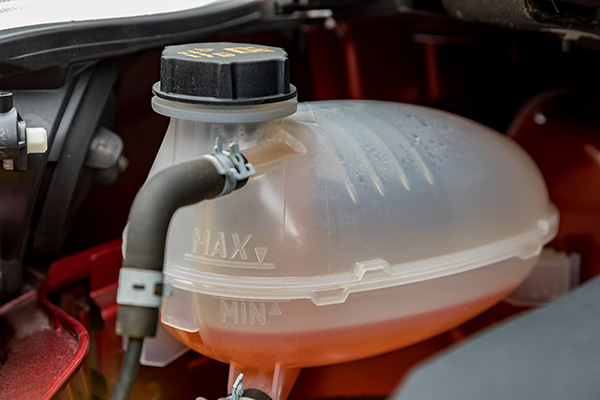
If you suspect your car is low on coolant, the safest move is to shut it off and let it cool completely before you even think about checking levels. Once the engine is cool, you can look at the coolant reservoir to see if it is below the minimum mark. Any sign of rapid coolant loss, repeated overheating, or steam from under the hood is a clear sign the car should be inspected instead of driven.
A professional cooling system inspection will check for leaks, test the radiator cap, verify thermostat operation, and confirm that coolant is circulating properly. Our technicians often use pressure tests and dye to pinpoint small leaks that are hard to see with the naked eye. Catching these issues early is usually far cheaper than paying for internal engine repairs later.
Get Cooling System Repair in Burnt Hills, NY with Gil's Garage Inc
If your car has overheated, lost coolant, or you are worried about how safe it is to drive, having the cooling system checked now can prevent a much larger repair down the road. We can inspect for leaks, test components, and refill the system with the correct coolant mixture for your vehicle. We treat every overheating concern as serious, because we know how quickly engine damage can occur.
Schedule cooling system repair with Gil's Garage Inc in Burnt Hills, NY, and we will help keep your engine running at the right temperature.