A grinding noise when braking has a way of grabbing your attention fast. It can start as a faint scrape you only notice with the radio off, then turn into a sound you cannot ignore at the next stoplight.
The challenge is that grinding can come from a few different brake problems, and the right fix depends on what is actually making contact. If you track when the noise happens and what the brake pedal feels like, you can usually narrow it down before small wear turns into bigger damage.
What Grinding Brakes Usually Means
Grinding is almost always friction between parts that were not meant to rub together. Sometimes that is brake pads worn down far enough that metal touches the rotor. Other times it is rust scale, a backing plate brushing the rotor, or a caliper issue that keeps a pad dragging.
The sound can be consistent or it can come and go, which is why people second-guess it. Even if it disappears for a day, the underlying cause usually does not disappear. It is more likely that conditions changed, like moisture, temperature, or how hard you braked.
A Symptom Timeline: From Faint Scrape To Metal-On-Metal
Early on, many drivers hear a light scraping only during the first few stops of the day. That can be normal surface rust clearing off, but it can also be the first hint that pads are low or hardware is shifting. If the noise becomes more frequent, you may notice the braking feel changing, like the pedal needs a little more pressure than usual.
As wear progresses, the scrape can become a harsher grind, especially when you brake harder or at lower speeds right before a stop. Some drivers also notice vibration in the pedal or steering wheel, which can happen when rotors get damaged or uneven. When the grind is loud and constant, the risk of rotor damage rises quickly, and the repair can go from a pad job to a bigger parts replacement.
Common Brake Problems That Create A Grind
Brake pads are the most common source. When pads get too thin, the friction material can be gone in spots, and the metal backing can start contacting the rotor. Some pads also have wear indicators that make noise first, but once you hear a grind, it often means the pads are beyond that warning stage.
Rust and debris can do it too. A vehicle that sits for a few days can build up rust on the rotors, and the first few brake applications can sound rough while the pad scrubs it off. Small stones can also get caught between the rotor and the dust shield, creating a sharp scraping that changes with wheel speed. A sticking caliper is another frequent cause, because it keeps a pad pressed against the rotor, which can overheat parts and create a grinding or dragging sound.
When The Noise Happens Matters
The timing of the grind is one of the best clues you can give a technician. Try to notice whether it is tied to the first brake use of the day, light braking, hard braking, or turning.
- If it happens only on the first few stops, then fades, it may be surface rust, but it can also be low pads that only complain when cold.
- If it happens during light braking and gets quieter when you press harder, hardware or uneven pad wear can be part of the story.
- If it gets worse as you drive, heat buildup from a sticking caliper or dragging pad becomes more likely.
- If it changes when turning, a dust shield rubbing or a wheel-bearing-related issue can sometimes overlap with brake noise.
- If it is loudest right at the end of the stop, pad material may be gone in a specific spot, and the rotor surface may already be damaged.
Those patterns do not diagnose the car by themselves, but they help us narrow down the inspection quickly.
Mistakes To Avoid When Brakes Start Grinding
One common mistake is turning the radio up and hoping it goes away. If the noise is from metal contact, every drive can shave more material off the rotor. Another mistake is repeatedly braking harder to see if it changes. That can overheat already-worn parts and make the damage worse.
Avoid spraying cleaners through the wheel without knowing what you are aiming at. Some products can contaminate pads or create new noise. If the brake pedal starts feeling soft, the car pulls when braking, or you smell a sharp, hot odor after stopping, that is a sign to stop driving and get the vehicle checked rather than pushing your luck.
How A Brake Inspection Pinpoints The Cause
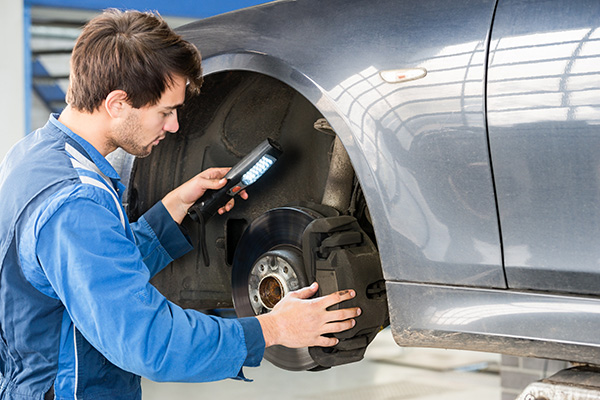
A proper brake inspection is not just looking at pad thickness through the wheel spokes. We check the pad material on both the inner and outer pads, because uneven wear is common when calipers or slide pins are not moving freely. We also inspect rotor surfaces for scoring, heat spots, and ridges, and we look at hardware that can shift and cause noise.
If a caliper is sticking, we can often spot it by uneven pad wear, heat evidence, or resistance when the wheel is rotated. If the issue is rust scale or debris contact, we check the dust shield clearance and look for marks that show where something is rubbing. The goal is to identify the exact contact point so the fix is targeted, not a guess.
Get Brake Repair in Burnt Hills, NY with Gil's Garage Inc
We can inspect your brakes, find the true source of the grinding noise, and recommend the repair that matches what we see, not what we assume. We’ll also check for caliper drag and rotor damage so you do not end up replacing parts twice.
Call Gil's Garage Inc in Burnt Hills, NY, to schedule a brake inspection and get your stopping power back to a condition you can trust.