Posted on 7/31/2026
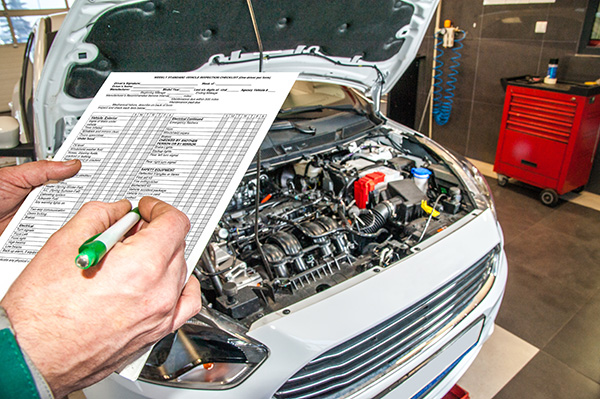
Crossing 100,000 miles does not mean a vehicle suddenly becomes unreliable. Plenty of cars continue serving their owners for years beyond that point. Still, the way a car drives can begin to change as dozens of parts age together. The steering may feel less direct, the ride may become louder, or acceleration might not feel as responsive as it once did. These changes usually develop slowly, which makes them easy to accept as normal. In many cases, the car is revealing accumulated wear that deserves attention rather than reaching the end of its useful life. Suspension Wear Changes The Ride Gradually Shocks and struts lose their ability to control wheel and body movement as the miles add up. The vehicle may bounce more after dips, lean farther through turns, or feel unsettled on rough pavement. Because the decline occurs over thousands of miles, many drivers do not notice how much control they have lost. Control arm bushings, sway bar links, ball joints, and strut mou ... read more