Crossing 100,000 miles does not mean a vehicle suddenly becomes unreliable. Plenty of cars continue serving their owners for years beyond that point. Still, the way a car drives can begin to change as dozens of parts age together.
The steering may feel less direct, the ride may become louder, or acceleration might not feel as responsive as it once did. These changes usually develop slowly, which makes them easy to accept as normal. In many cases, the car is revealing accumulated wear that deserves attention rather than reaching the end of its useful life.
Suspension Wear Changes The Ride Gradually
Shocks and struts lose their ability to control wheel and body movement as the miles add up. The vehicle may bounce more after dips, lean farther through turns, or feel unsettled on rough pavement. Because the decline occurs over thousands of miles, many drivers do not notice how much control they have lost.
Control arm bushings, sway bar links, ball joints, and strut mounts also age. Rubber hardens and cracks, while joints can develop looseness. The result may be clunks, vague steering, uneven tire wear, or a harsher ride that makes the entire vehicle feel older.
Engine Mounts Let More Vibration Reach The Cabin
Engine and transmission mounts absorb normal drivetrain movement. After years of heat, acceleration, and shifting, the rubber can soften, collapse, or separate. Hydraulic mounts may also begin leaking fluid.
Worn mounts can make the steering wheel, seat, floor, or dashboard vibrate at idle. You may hear a thump when selecting drive or reverse or feel a jolt when accelerating. The engine can still run properly while the vehicle feels much rougher because the mounts are no longer isolating normal movement.
Steering Parts Develop Small Amounts Of Play
Tie rod ends, steering rack bushings, ball joints, and wheel bearings experience constant movement. Even a small amount of wear across several components can make the steering feel less precise. The vehicle may wander, require more steering corrections, or respond less sharply when the wheel is turned.
Tires and alignment also influence steering feel. Uneven tread, low pressure, worn suspension parts, or an alignment that has drifted out of specification can all change how the vehicle tracks. An inspection should examine the entire steering and suspension system rather than assuming that a single adjustment will restore the original feel.
The Engine May Not Respond Like It Once Did
Spark plugs, ignition coils, sensors, injectors, and airflow components do not always fail completely. They can weaken or become dirty enough to reduce performance without triggering an obvious warning. The car may take longer to accelerate, use more fuel, or hesitate slightly under load.
Deposits around the throttle body or inside the intake can also affect response. A dirty mass airflow sensor may send inaccurate information, while worn spark plugs can struggle during harder acceleration. Regular maintenance helps prevent some of these changes, but testing is still needed when performance no longer feels familiar.
Rubber Seals And Hoses Age With Time
Mileage is only part of the story. Rubber components also age through heat cycles, exposure to oil, and changing temperatures. Coolant hoses, vacuum lines, axle boots, belts, engine seals, and weatherstripping can all become harder or more brittle near and beyond 100,000 miles.
Small leaks may begin around valve covers, oil pans, cooling system fittings, transmission seals, or power steering components. A faint smell, damp area, or occasional spot under the car can be an early clue. Catching those leaks while they are small can protect nearby wiring, belts, mounts, and other parts.
Transmission And Drivetrain Wear Becomes More Noticeable
A transmission may begin to shift differently as the fluid ages and internal parts accumulate wear. Gear changes might feel firmer, engagement may take longer, or the vehicle may hesitate before downshifting. Old or low fluid can contribute, but worn mounts, solenoids, sensors, and internal components can produce similar symptoms.
Axles, CV joints, driveshafts, U-joints, and differentials also carry every mile of engine torque. Wear can show up as clicking during turns, vibration under acceleration, or a clunk when changing direction. These symptoms should be checked before the extra movement begins affecting surrounding parts.
Cabin Noise Can Make The Vehicle Feel Older
Wheel bearings, tires, door seals, suspension bushings, and exhaust hangers all influence cabin noise. As those components age, more road sound, vibration, and wind noise can reach the passengers. The car may feel less refined even though no single part has failed badly.
Loose interior trim and worn weatherstripping can add rattles that were not present when the vehicle was newer. Addressing mechanical noise first is important because a humming bearing or damaged tire can sound like harmless age from inside the cabin. Once safety-related causes are ruled out, smaller comfort concerns can be handled separately.
A 100,000-Mile Inspection Helps Build A Plan
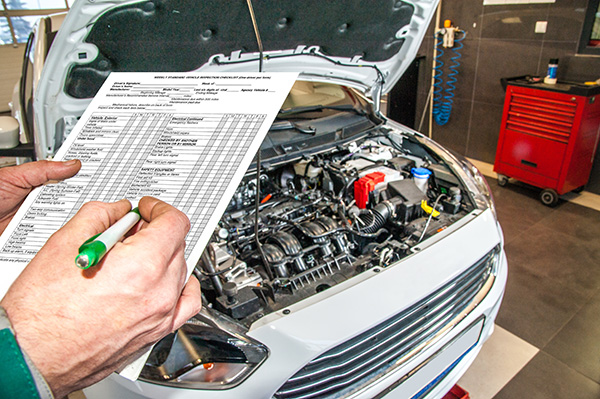
A higher-mileage vehicle does not always need a long list of repairs at once. The goal is to separate urgent concerns from normal wear and future maintenance. Tires, brakes, suspension, steering, fluids, belts, hoses, leaks, mounts, and stored computer faults all help show where the vehicle currently stands.
Service history makes that plan more accurate. If spark plugs, transmission fluid, coolant, brake fluid, or drive belts were recently replaced, they may not need attention again yet. A careful review prevents unnecessary work while identifying neglected parts before they create larger problems.
Get 100,000-Mile Vehicle Service In Burnt Hills, NY, With Gil's Garage Inc
If your car feels different after passing 100,000 miles, Gil's Garage Inc in Burnt Hills, NY, can inspect the suspension, steering, engine, drivetrain, brakes, tires, fluids, belts, hoses, and mounts.
Contact us to schedule an appointment and build a practical service plan based on your vehicle’s actual condition.