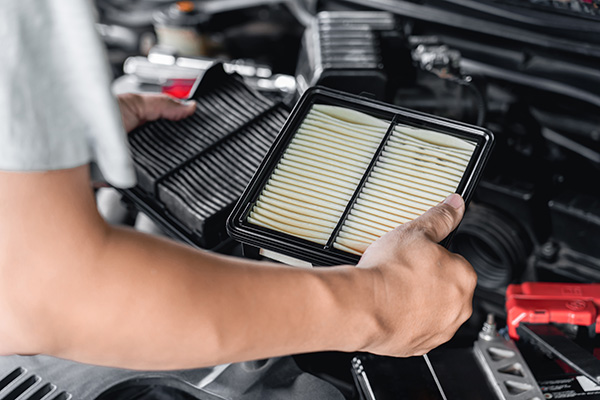
The engine air filter sits inside a plastic housing under the hood, away from the parts you see every day. It makes no noise, has no dashboard display, and rarely announces when it needs service. Still, every time the engine runs, that filter stands between road dirt and the intake system. Understanding its job helps you decide when replacement is necessary instead of accepting a new filter every time someone opens the hood.
The filter's condition and your driving environment tell more than a round mileage number.
How the Engine Air Filter Protects the Intake System
Gasoline and diesel engines need a steady supply of air. As outside air enters the intake, it passes through filter media designed to trap dust, sand, insects, and other airborne particles. Pleats provide a large filtering surface inside a compact airbox. Without an effective filter, abrasive material reaches the intake path and eventually contributes to wear inside the engine.
Turbocharged engines also depend on keeping grit away from the compressor inlet. The filter is primarily a protective component, not a performance accessory. A new one won't automatically make a healthy engine produce extra horsepower.
Why the Engine Air Filter Housing Must Seal Properly
Even the best filter fails to protect the engine if dirty air slips around its edges.
The airbox must close securely, and the filter needs the correct shape and sealing surface. A slightly undersized replacement or damaged housing clip leaves a gap that directs unfiltered air past the media. Road dust on the clean side of the housing signals a sealing problem. A loose intake duct after recent service can also cause problems. Before treating the filter as the only suspect, we examine its gasket, housing cover, clamps, and nearby tubing.
When we open the airbox, we also look for dust on the clean side of the seal.
What Happens When the Engine Air Filter Gets Clogged
As particles fill the filter pleats, airflow resistance rises. A severely restricted filter limits the air available when the engine works hard. Some drivers notice weaker acceleration or delayed response. Others feel no difference because modern engine controls compensate for a range of operating conditions.
A dark-looking filter isn't proof of severe restriction. Dust naturally collects on the media as it does its job. Does every dirty engine air filter cause poor acceleration? The amount of debris, the filter's physical condition, and manufacturer guidance carry more weight than color alone. Torn pleats or damaged seals deserve replacement even if the rest of the filter still looks relatively clean.
Engine Air Filter Replacement Intervals and Driving Conditions
Manufacturers specify engine air filter inspection or replacement intervals according to the model and engine. Many schedules distinguish ordinary road use from frequent exposure to dust. There is no single mileage figure that fits every car in Burnt Hills or anywhere else.
Driving on gravel roads, near construction, or through dry, dusty conditions fills the filter sooner.
A mostly highway-driven vehicle often reaches its scheduled service date with less filter contamination. Check the owner's manual, review the replacement history, and inspect when the conditions justify it. Avoid changing a good filter just because it has been installed for a familiar round number of miles.
Warning Signs of a Dirty or Damaged Intake Filter
Performance changes sometimes prompt an inspection, but visible damage is often the clearer evidence. Mention these details during service:
- Heavy debris trapped in the pleats
- Torn filter material or damaged seals
- Leaves or nesting material in the airbox
- Reduced acceleration under heavier load
- A loose or damaged airbox cover
- Unusually dusty roads during recent trips
Hesitation, rough idle, and warning lights also have other causes. Replacing a slightly dusty filter won't repair worn spark plugs, a fuel problem, or a leaking intake hose. The repair needs to match what the inspection actually reveals.
Should You Clean the Engine Air Filter or Replace It?
Most factory-style disposable filters are designed to be replaced when worn or heavily contaminated. Blasting paper media with compressed air damages fine fibers or drives dirt deeper into the pleats. Washing ordinary disposable filters also harms the material and seals.
Is it safe to blow out a disposable engine air filter and reuse it?
Some aftermarket reusable filters have approved cleaning procedures, but they require the right products and enough drying time. Some designs need carefully measured filter oil. Following the instructions is essential. Reinstalling the filter wet, applying excessive oil, or leaving debris in the airbox creates avoidable intake problems. Simple replacement is usually best for standard disposable elements.
Engine Air Filter Service During an Oil Change
An oil change is a convenient time to check the filter, especially when the service history is unknown. Where access allows, we remove the element, look for tears and heavy dirt, clear debris from the housing, and reinstall or replace the filter correctly.
Ask to see the old filter and the reason for the recommendation. Replace the filter when its condition or the manufacturer's maintenance schedule calls for it, not because a package says so. A properly fitted new element helps the intake system remain protected for the next stretch of driving.
We'll check the filter's fit before closing the housing so the new part doesn't create an intake leak.
Engine Air Filter Replacement in Burnt Hills, NY
At Gil's Garage Inc in Burnt Hills, NY, we inspect engine air filters, airboxes, and intake connections during maintenance visits. We'll explain what we found and recommend replacement when the filter is due or damaged.
Keeping road dust out of the engine is a small job with a big payoff, and it starts with the right filter installed correctly.